Link building is one of the most talked-about and most misunderstood parts of SEO. Some people say it's essential. Others say it's outdated or even dangerous. So what's the truth?
In this guide I'll explain what link building is, why it still matters in 2026, and how small businesses can build links safely. I'll also cover the tactics to avoid, because the wrong links can do real damage. Link building is part of our wider SEO services.
What Is Link Building in SEO?
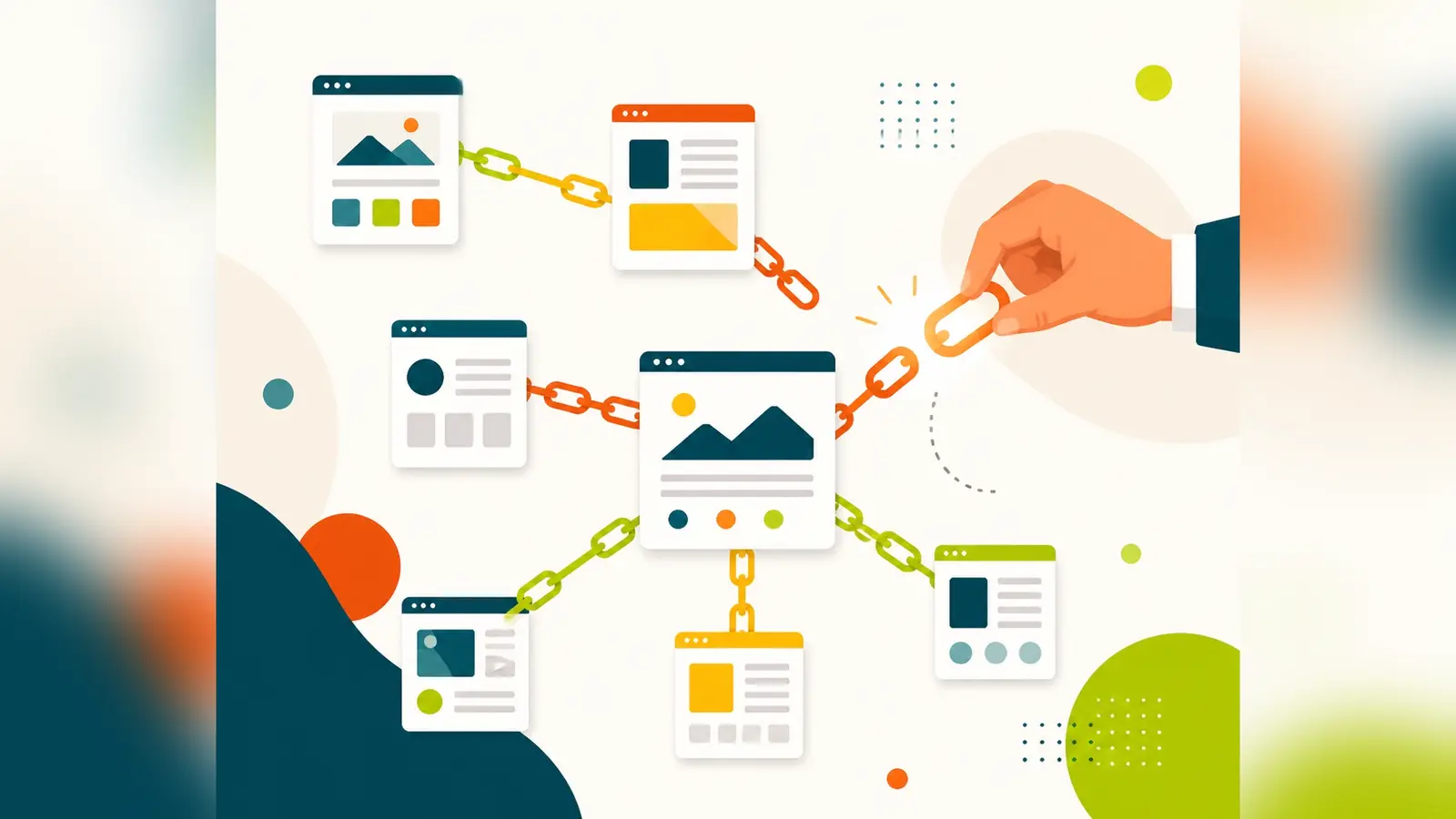
Link building is the process of getting other websites to link to yours. These links are called backlinks.
Google treats backlinks as votes of confidence. When a reputable website links to you, it's effectively telling Google your content is worth recommending. The more quality, relevant links you have, the more authority your site builds, and the higher it can rank.
Quality over quantity: one link from a respected, relevant website is worth far more than hundreds of links from low-quality directories.
What Is Off-Page SEO?
Link building is the biggest part of off-page SEO: everything that happens away from your website that influences your rankings. Off-page SEO also includes:
- Brand mentions, even without a link
- Online reviews
- Local citations and directory listings
- Social signals and wider online reputation
- Digital PR and media coverage
Together, these signals tell Google how trusted and well-known your business is.
Why Is Link Building Important?
Links remain a core ranking factor
Google's ranking systems still use links to understand authority and relevance. In competitive markets, the difference between page one and page two often comes down to links.
Links help Google discover your pages
Search engines follow links to find new content. Links from other websites help your pages get discovered and indexed faster.
Links bring referral traffic
A link from a relevant website can send genuine visitors and potential customers directly to you.
Links support visibility in AI search
AI overviews and AI assistants tend to reference trusted, well-cited sources. Being mentioned and linked across reputable websites strengthens your chances of appearing in those answers.
Is Link Building Still Important in 2026?
Yes, but the way it works has changed.
A decade ago, you could buy thousands of links and shoot up the rankings. Google now easily detects manipulative link schemes, and they can lead to penalties. What works today is earning links naturally from relevant, reputable sources.
In short, link building still works, but link buying doesn't. Quality, relevance and authenticity matter more than ever.
How to Build Links to Your Website: 8 Safe Methods
1. Create genuinely useful content
Guides, local resources, original data and helpful tools attract links naturally because people want to reference them.
2. Get listed in quality directories
Relevant industry directories, trade bodies and trusted local directories provide useful links and citations. Avoid spammy directories with no real audience.
3. Build local partnerships
Suppliers, partners and complementary businesses often link to each other. A builder might link to their preferred architect, and vice versa.
4. Sponsor local events and organisations
Sponsoring a local sports team, charity or event often earns a link from their website, plus genuine community goodwill.
5. Digital PR
Pitching stories, expert comment or data to journalists and bloggers can earn links from high-authority news and industry sites.
6. Reclaim unlinked mentions
Search for mentions of your business name that don't include a link, then politely ask the site owner to add one.
7. Join trade associations
Membership of recognised industry bodies usually includes a listing with a link, and adds credibility.
8. Guest contributions on relevant sites
Writing genuinely helpful articles for respected sites in your industry can earn a relevant link. Focus on quality sites and genuinely useful content.
Link Building Tactics to Avoid
These can get your site penalised: buying links in bulk, private blog networks (PBNs), excessive link swaps, links from irrelevant foreign sites, spammy comment and forum links, and over-optimised anchor text.
If an SEO provider offers "500 backlinks for £50", walk away. Cleaning up a bad link profile takes time and money, and recovering from a penalty can take months. Read our guide on how to choose an SEO agency for more red flags.
How Do Agencies Approach Link Building?
A good SEO agency treats link building as a long-term, quality-first activity. That usually involves:
- Analysing competitors' links to find realistic opportunities
- Reviewing your existing profile for quality and risk
- Creating linkable content that earns links on merit
- Outreach to relevant websites, journalists and partners
- Local link building for businesses targeting specific areas. See our local SEO services.
- Reporting on the links earned and their impact
At SERPentity, we only build links the right way: relevant, genuine and safe. It's part of why our clients' rankings hold up over time. The Stair Guys, for example, have gone from strength to strength over more than 12 months with us.
How to Tell a Good Link From a Bad One
Not all links are equal. Before pursuing or accepting a link, ask:
- Is the website relevant to your industry or local area?
- Does it have real visitors, or does it exist purely to sell links?
- Would you want the link even if Google didn't exist? If it could send you customers, it's usually a good link.
- Is the link placed naturally within helpful content, rather than in a list of unrelated links?
- Is the anchor text natural? Your business name or a descriptive phrase is safer than exact-match keywords every time.
A handful of genuinely relevant links from trusted local and industry sites will do more for your rankings than hundreds of random ones.
How Long Does Link Building Take to Work?
Links rarely produce overnight results. Google needs to discover and assess them first. Most businesses see the impact of quality link building over three to six months, with the effect building as authority grows.
That's why link building works best as a steady, ongoing activity rather than a one-off burst. A consistent flow of genuine links looks natural to Google and builds lasting authority your competitors will struggle to match.
Link Building for Local Businesses
If you serve a specific area, local links are some of the most valuable you can earn, and often the easiest. Start with the relationships you already have. Suppliers, trade partners, local business networks, chambers of commerce, schools and charities you support may all be happy to link to you.
Local newspapers and community websites regularly cover businesses doing interesting things, such as a milestone anniversary, a charity fundraiser or a new service. Consistent listings on trusted local directories also count.
These links tell Google you're a genuine, established part of your community, which strengthens your position in both the map pack and local organic results. Combined with strong local SEO, local link building can help smaller businesses outrank much bigger competitors in their area.
To find out where you stand, compare your backlinks with the businesses outranking you. It's one of the clearest ways to see what's holding you back.
Final Thoughts
Link building isn't dead. It has simply grown up. The businesses that win today earn links through genuine value, relationships and reputation, not shortcuts. Done properly, it's one of the most powerful ways to build lasting authority on Google.
Want to know how your backlink profile compares with your competitors'? Get a free SEO audit and we'll show you.