If you're planning a new website, you've probably come across web designers, web developers, UX designers and "full-stack" agencies. It's easy to get confused about who does what, and who you actually need.
In this guide I'll explain what a web designer does, how a designer differs from a developer, and how to work out which your business needs. I'll also cover why SEO knowledge matters just as much as design skills. You can see how we bring all of this together in our web design services.
What Is a Website Designer?
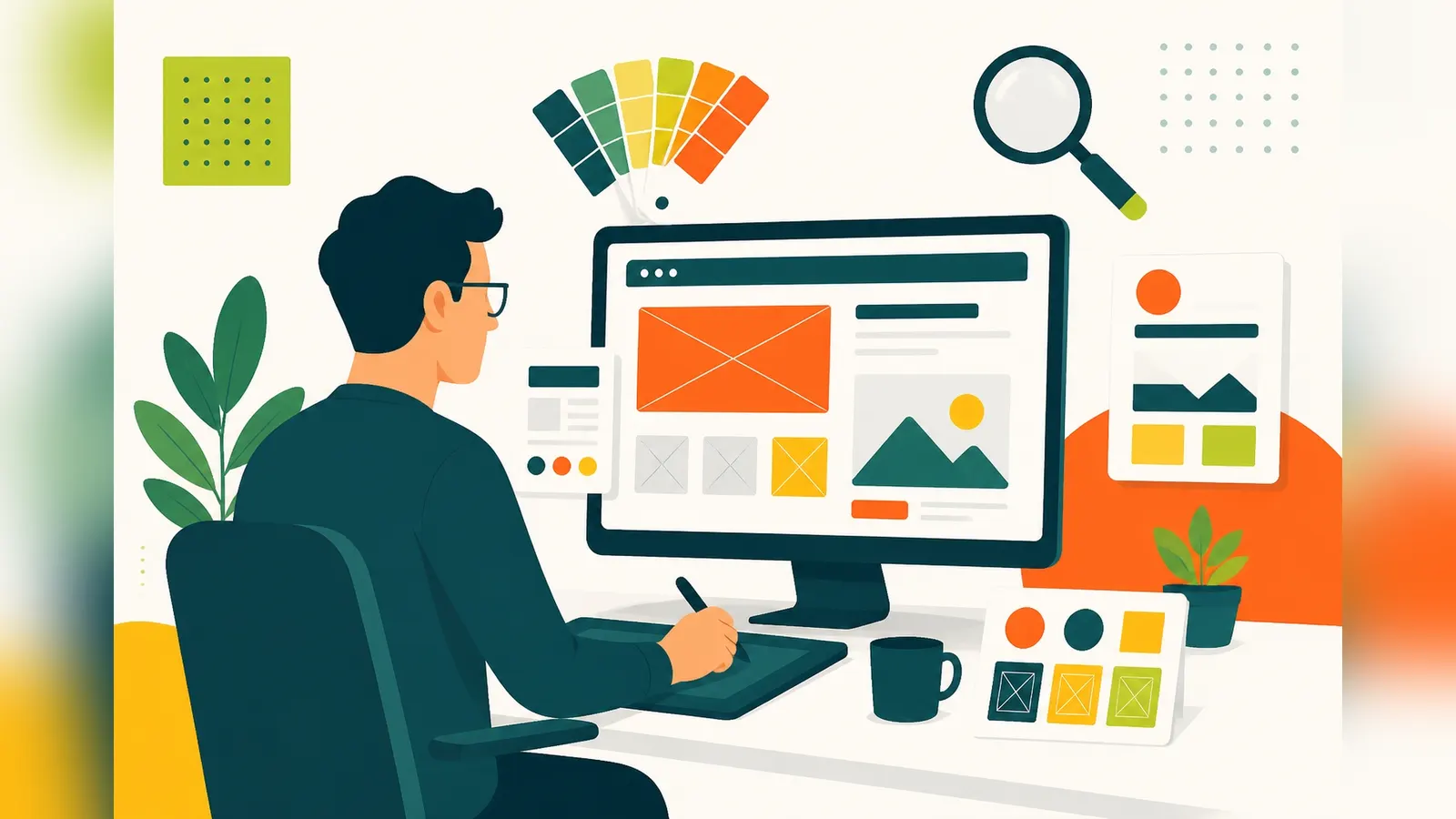
A website designer plans and creates how a website looks, feels and works for the people using it. They combine visual design with an understanding of how people behave online, so visitors can quickly find what they need and take action, whether that's calling, booking or buying.
Good web design isn't just about making things look attractive. It's about making a website effective: clear, easy to use, trustworthy and built to turn visitors into customers.
In simple terms: a web designer decides what your website looks like and how people move through it. A developer makes it work behind the scenes.
What Does a Web Designer Actually Do?
Understands your business and customers
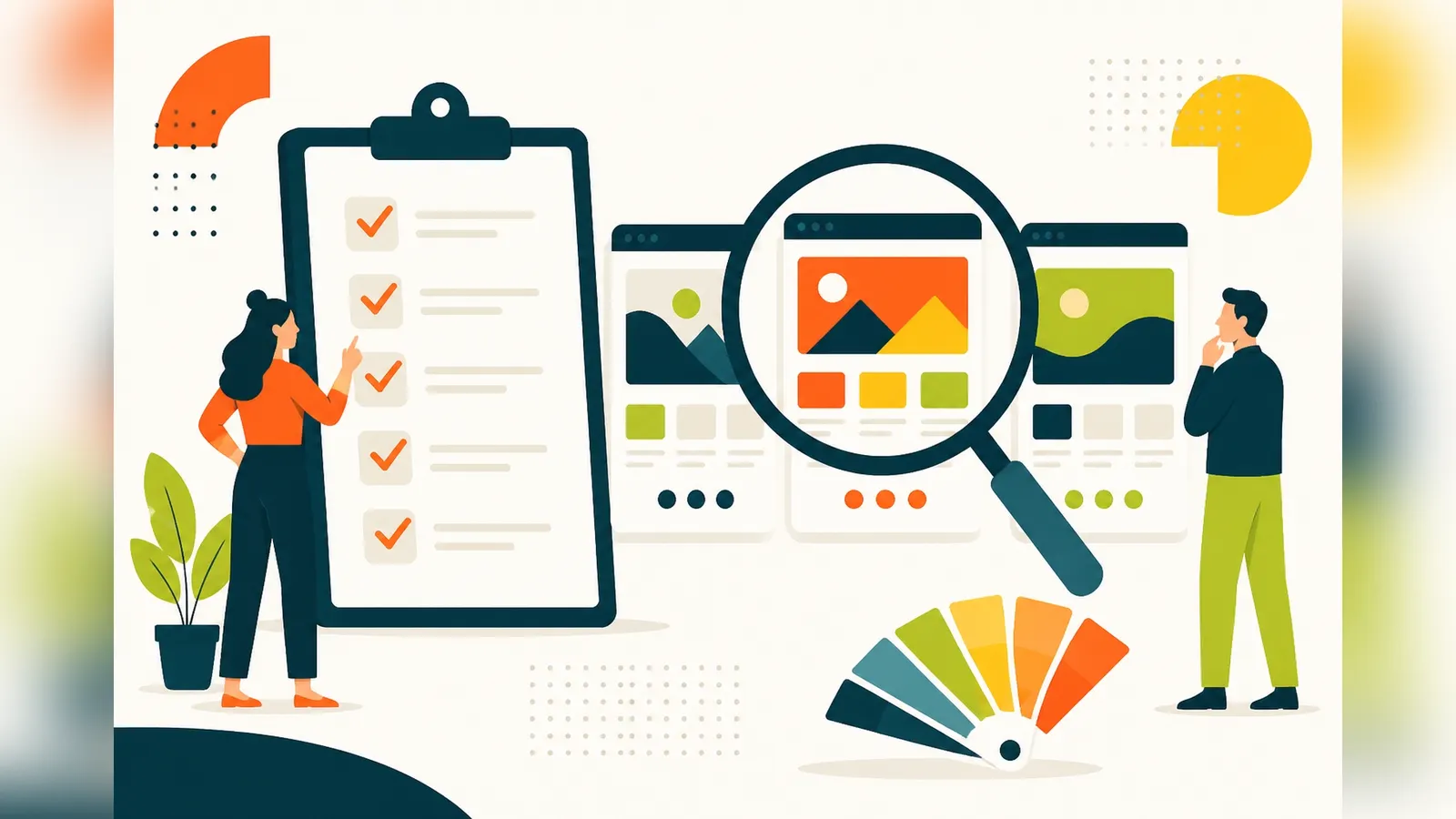
Every good project starts with questions. Who are your customers? What do they need to know? What do you want them to do on your website? The answers shape every design decision.
Plans the site structure
The designer maps out which pages the website needs and how they connect. That's known as the sitemap or information architecture. A clear structure helps both visitors and search engines.
Creates wireframes
Wireframes are simple layouts showing where content, images and buttons will go on each page, before any colours or styling are added. They focus on usability and flow.
Designs the visual look
This covers colours, typography, imagery, spacing and overall style, all aligned with your brand. The aim is a design that looks professional and feels right for your audience.
Designs for every screen size
Most people now browse on their phones, so designers make sure layouts work beautifully on mobile, tablet and desktop. Learn more in our guide to responsive web design.
Focuses on user experience (UX)
UX is about making the website easy and enjoyable to use: clear navigation, readable text, obvious calls to action and fast paths to key information.
Designs for conversions
A good designer thinks about what makes someone pick up the phone or fill in a form, such as trust signals, reviews, clear pricing and well-placed contact buttons.
Works with content
Design and content go hand in hand. Many designers help shape the copy, headings and images so the message comes across clearly.
What Does a Web Developer Do?
A web developer turns the design into a working website. Developers write the code that makes pages display correctly, forms submit, online shops take payments and everything run smoothly across different browsers and devices.
There are two main types:
- Front-end developers build what you see in the browser: layouts, menus, animations and interactive elements.
- Back-end developers handle what happens behind the scenes: databases, user accounts, payments and integrations.
Web Designer vs Web Developer
| Web designer | Web developer | |
|---|---|---|
| Focus | How the site looks and feels | How the site works |
| Key skills | Visual design, UX, layout, branding | Coding, functionality, performance |
| Typical tools | Design software, wireframing tools | HTML, CSS, JavaScript, CMS platforms |
| Output | Designs, wireframes, style guides | A working, functional website |
Is a web designer the same as a web developer? Not quite. The roles overlap, and many modern web designers also build the websites they design, particularly on platforms like WordPress and Shopify.
Do You Need a Web Designer or a Developer?
You need a web designer if you want a new website or a redesign that looks professional, reflects your brand and makes it easy for customers to get in touch. For most small business websites, a designer who also builds the site is ideal.
You need a developer if your website needs custom functionality, such as complex booking systems, customer portals, integrations with other software or bespoke features that off-the-shelf platforms can't handle.
You need both if you're building something bespoke and complex. In practice, many businesses choose an agency that covers design and development under one roof, so nothing gets lost between the two.
Why Your Web Designer Should Understand SEO
This is where many websites fall down. A web designer can create a beautiful site, but if it isn't built with SEO in mind, it may never appear on Google.
Design decisions have a direct impact on rankings:
- Site structure affects how Google understands your services
- Page speed is influenced by images, fonts and code
- Headings and content layout shape what Google thinks each page is about
- Mobile usability matters because Google primarily ranks the mobile version of your site
- Navigation and internal links help Google discover and prioritise pages
That's why we believe web design and SEO shouldn't be separate. Read our guide to SEO website design to learn more.
What Makes a Good Web Designer?
- They ask about your business first, not just your colour preferences
- They have a varied portfolio that shows they design for different audiences
- Their live websites load quickly and work well on mobile
- They understand SEO and conversion, not just visuals
- They communicate clearly and explain their decisions
- They provide support after launch
For a full checklist, see our guide to choosing a web design agency.
How Much Does a Web Designer Cost?
In the UK, a professional small business website typically costs £1,500–£5,000, while simple template sites from freelancers can start from around £500. Ecommerce and bespoke sites cost more. See our full website cost guide.
What You Get With SERPentity
At SERPentity, we design, build and optimise websites under one roof. That means your site looks great, works properly and is built to rank on Google from day one.
Our projects span a wide range of industries. We designed a bold, stylish site for Desire Ink that captures the vibe of the studio, a vibrant event site for REYTFEST that handled busy traffic without slowing down, and a clear, calm website for Twelve Trees Care that helps families find information quickly. Each one was designed around its audience, not a template.
How to Work Well With a Web Designer
You'll get a better website if you go into the project prepared. Before your first meeting, think about your goals, your ideal customers and the services you most want to promote. Gather examples of websites you like, and be ready to explain why. Collect your logo, brand colours, photos, reviews and any existing content.
During the project, give clear, honest feedback and respond promptly so the timeline doesn't slip. Trust your designer's experience on layout and usability, but speak up about anything that doesn't feel right for your business.
After launch, keep your designer in the loop about new services, offers or changes. A website works best when it keeps evolving with your business, and a good designer will be happy to help it do that.
Final Thoughts
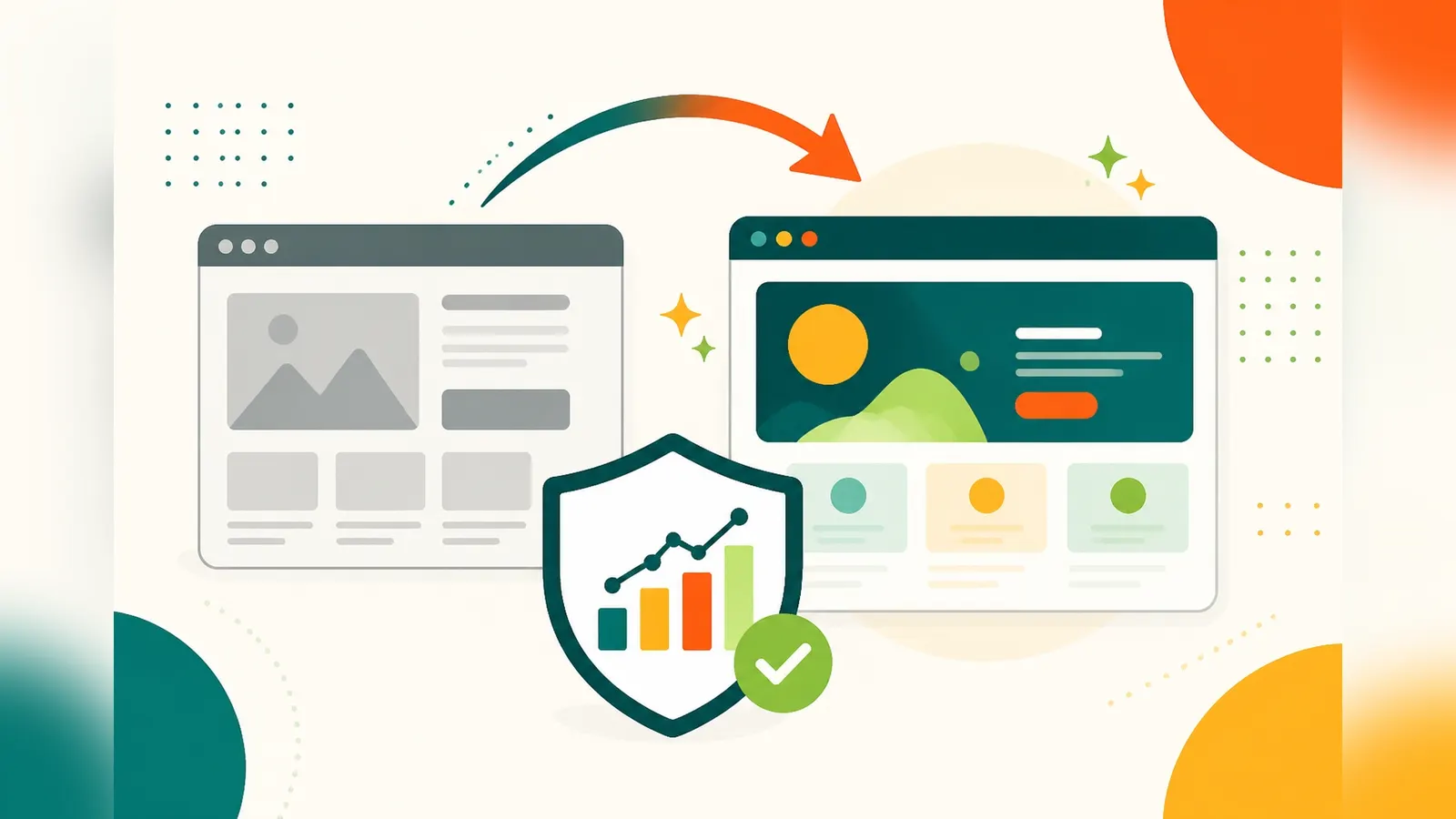
A great web designer does far more than make your website look nice. They make it easy to use, build trust with your visitors, and, if they understand SEO, help customers find you in the first place.
If you're looking for a website that looks great and brings in business, get in touch and let's talk about your project.